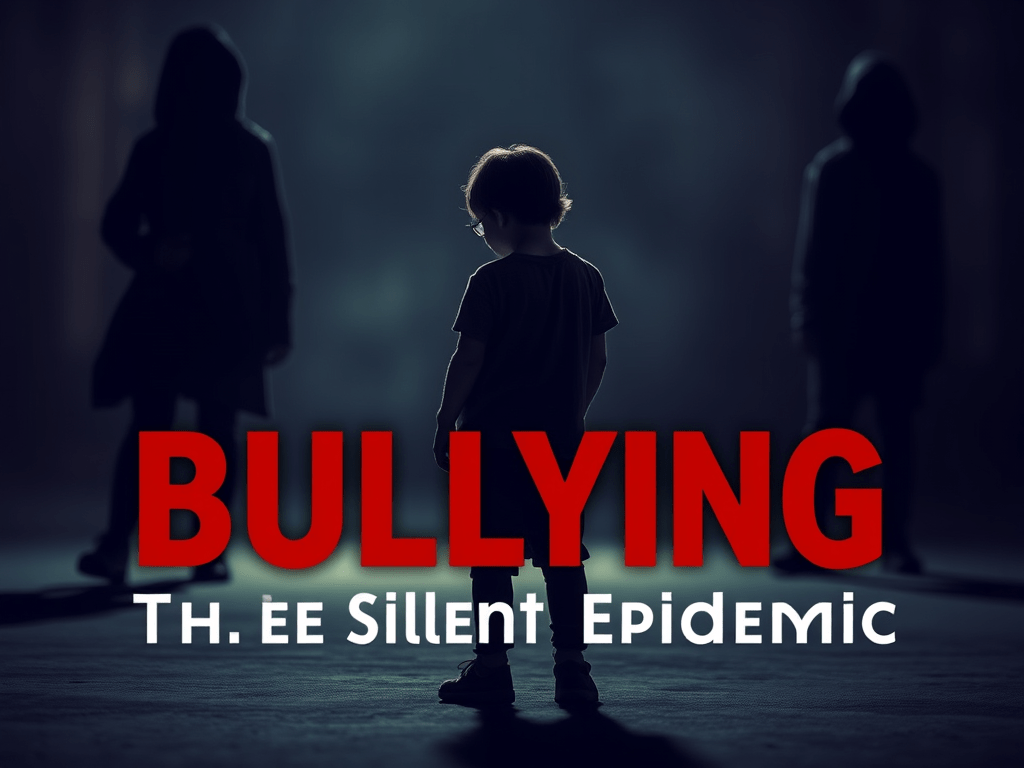
Bullying is not just a passing childhood phase or a mere social inconvenience; it is a deep fissure in society that leaves lasting scars on individuals and communities alike. It took me weeks to gather the courage to write about this topic because, for me, bullying is not an abstract issue—it is personal. I have been a victim of bullying, my children have experienced it, and as a teacher, I have witnessed its devastating effects on countless young lives.
Bullying is not exclusive to a particular group of people; it is perpetrated by the insecure, the mean, and the ignorant. Those who see in others what they desire but lack often resort to bullying as a means to assert dominance, vent their frustrations, or mask their own inadequacies. It is a weapon wielded by those who can’t bear to see someone else’s light shine brighter than their own.
The impact of bullying extends far beyond the moments of humiliation, isolation, and fear that victims endure. It is the root cause of many suicides, psychological traumas, and shattered dreams. While some survivors grow stronger from their experiences, others carry the invisible wounds for a lifetime, unable to fully heal from the pain inflicted upon them.
According to the National Center for Education Statistics, about 20% of students aged 12-18 experience bullying in school. Furthermore, the CDC reports that suicide is the third leading cause of death among young people, with bullying being a significant contributing factor. The effects of bullying are not just psychological, victims are more likely to suffer from anxiety, depression, and even physical health issues. In workplaces, nearly 30% of employees report experiencing bullying, leading to lower productivity and job dissatisfaction.
As a child, I sought to shield myself from further harm by choosing solitude over companionship. I believed that distancing myself from others was my way of reclaiming power—a form of revenge that protected my soul from further damages. However, I now realize that bullying is not just an attack on an individual; it is a systematic attempt to diminish potential, to suppress brilliance, and to force conformity. It is a mechanism used by those with troubled minds to break those who dare to be different, intelligent, or visionary.
Bullying is not only seen in school hallways or workplaces but also in daily interactions. Some bullies manifest their frustration and misery by hitting people’s cars with their doors, releasing their anger on innocent bystanders. Others take pleasure in embarrassing people in public by pointing out their flaws, hoping to diminish their confidence. These acts, though sometimes overlooked, are part of the broader culture of bullying that chip away at the dignity of individuals.
In many ways, bullying is worse than dying in battle or being stranded on a deserted island. It strips a person of their dignity, their confidence, and sometimes even their will to live. It is a silent epidemic that damages not only individuals but also society. When potential leaders, innovators, and changemakers are stifled by the cruelty of bullies, we all suffer the consequences.
We live in a world that often glorifies mediocrity while punishing brilliance. It is for this reason that bullies; driven by troubled household, fear, insecurities, jealousy, or ignorance, use their cruelty as a tool to halt the progress of the brave, the shy, and the gifted. If we are to create a just and enlightened society, we must actively fight against this toxic culture of bullying. We must stand up for those who are targeted, educate our communities on the long-term effects of bullying, and foster an environment where kindness, respect, and acceptance are the foundations upon which we build our future.
Steps to Fight Bullying
- Education and Awareness – Schools and workplaces should implement effective anti-bullying programs to educate individuals on the signs, effects, and consequences of bullying.
- Encouraging Open Communication – Victims should feel safe speaking up about their experiences without fear of retaliation or shame.
- Strengthening Policies and Laws – Governments and institutions must enforce stricter anti-bullying policies, including cyberbullying regulations.
- Promoting Kindness and Inclusivity – Encouraging empathy and acceptance in social settings can help prevent bullying behaviors.
- Supporting Victims – Providing counseling, peer support groups, and legal assistance to those affected by bullying.
- Holding Bullies Accountable – Addressing bullying at its root cause by providing behavioral interventions for perpetrators to prevent future harm.
In my opinion, No one should have to endure the misery of bullying. It is a societal issue that affects not just individuals but entire communities. By raising awareness, implementing stronger protective measures, and fostering a culture of kindness, we can put an end to bullying. We must work together to ensure that no more lives are lost or diminished due to the cruelty of others. The time for change is now, and it starts with each of us taking a stand against bullying.
Your engagement plays a crucial role in fostering a vibrant community. It also ensures that you stay informed about the latest trends and developments. By subscribing, you will receive curated content tailored to your interests. You will also get exclusive updates that will enhance your experience. Don’t hesitate to share your thoughts and feedback in the comments; your voice matters and can influence future discussions. Join us on this journey towards continuous learning and discovery!


 Community Empowerment
Leave a reply to Noelle Sophie Cancel reply