Tag: mental-health

  • Do Not Put People Inside Your Heart Too Early

    Many people believe that being a good friend means opening your heart quickly, trusting deeply, and giving generously. But life teaches a harder, quieter lesson: not everyone who enters your life deserves a place inside your heart.

    A heart is not an open field where anyone may walk freely. It is a living space, sacred and sensitive. When people are allowed inside too early—before their character is known, before their consistency is tested—they may not honor that space. Some will stand beside you. Others will stand on you.

    This is not because kindness is wrong. Kindness is strength. The mistake is confusing kindness with access.

    Trust must be earned, not granted by emotion, shared pain, or charming words. People should be observed over time; how they behave when they disagree, how they act when you are vulnerable, how they treat others when nothing is to be gained. Character reveals itself slowly, but it always reveals itself.

    Those who put others “under their feet” often do so because they were never taught how to carry responsibility for another human heart. When someone mistakes generosity for weakness, it says nothing about your value and everything about their limitations. Still, wisdom requires boundaries.

    True friendship does not rush.
    True loyalty does not demand immediate intimacy.
    True respect does not grow from convenience; it grows from consistency.

    Protecting your heart does not mean becoming cold. It means becoming disciplined. It means allowing people into your life in stages, letting trust grow naturally, and keeping your deepest self reserved for those who prove—through actions, not words—that they will treat it with care and faith.

    Put simply:
    Do not place people inside your heart until they have shown they will not place you beneath their feet.

    This is not fear.
    This is discernment.
    And discernment is how kindness survives in a difficult world.

    A Kind Note:
    This reflection comes from lived experience, not theory. It is written for those who give deeply, trust sincerely, and have learned—often painfully—that wisdom and kindness must walk together. Protecting your heart is not selfish; it is how you preserve the good you were created to offer.

    Nawal
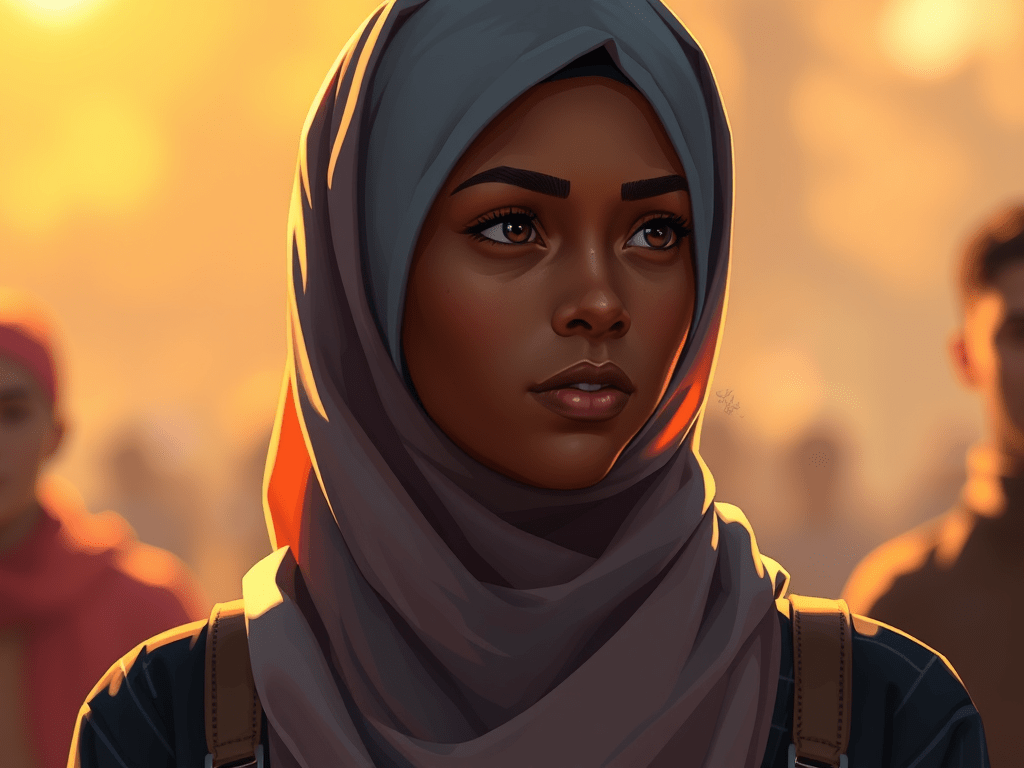
  • The Poison of Jealousy, Envy, and Racism: Facing Unfairness with Strength and Wisdom

    The Poison of Jealousy, Envy, and Racism: Facing Unfairness with Strength and Wisdom

    In every society, there are people who, for reasons rooted in insecurity, fear, or prejudice, respond to others’ success and virtue with envy and hostility. These individuals may spread rumors, propagate lies, or manipulate others, seeking to isolate their target and turn a community against them. Such behavior is not merely personal; it is a reflection of deep societal flaws—bias, racism, and a lack of moral courage. For the victim, it can feel like an invisible assault, creating fear, anger, and confusion. Yet, understanding, strategy, and inner strength can transform the response to such unfairness into a source of growth and resilience.

    Understanding the Motivation

    Jealousy and envy arise from a comparison of self to others. When someone perceives another person’s achievements, virtues, or social connections as a threat, their mind can distort reality, producing resentment. Racism and prejudice compound this effect, turning envy into cruelty, as individuals project internalized fear onto those they perceive as different. Rumors and social isolation are tools they use to regain a sense of power. Recognizing that these behaviors reflect their weakness, not yours, is the first step in neutralizing their impact.

    The Moral and Spiritual Perspective

    For those of faith, injustice is never the final word. The Prophet Muhammad (peace be upon him) taught that enduring harm with patience, maintaining integrity, and seeking truth are forms of strength. Similarly, scripture across cultures emphasizes that cruelty, slander, and envy ultimately harm the one who practices them, not the innocent. Understanding this can transform the emotional response: anger remains, but it is tempered by moral clarity and faith, preventing the unfairness from dictating your self-worth or actions.

    Practical Strategies for Defense

    1. Maintain Integrity: Your behavior, honesty, and professionalism are your strongest shields. Envy may try to smear your reputation, but consistent ethical conduct demonstrates your truth over time.
    2. Document and Verify: In environments like workplaces or schools, keep careful records of interactions and communications. This ensures that false claims can be countered with facts rather than emotion.
    3. Control Your Circle: Protect yourself by surrounding yourself with trustworthy people who know your character. Isolation only empowers the jealous and envious; connection with allies reduces their influence.
    4. Do Not Retaliate with Poison: Responding with similar cruelty escalates conflict. Instead, use calm, firm communication. Silence, when paired with visible integrity, is often more powerful than words.
    5. Strengthen Inner Resources: Mental and emotional resilience comes from faith, mindfulness, and focus on your own growth. Knowledge, skill, and spiritual grounding make you unshakable, even when others attempt to undermine you.
    6. Confront When Necessary: Sometimes, direct yet respectful confrontation, stating facts and boundaries, is necessary. But this should be measured, focused, and never emotional theatrics.

    The Transformative Power of Adversity

    While being the target of jealousy, racism, and slander is painful, it is also an opportunity to develop resilience, wisdom, and compassion. When faced with baseless hatred, the choice to respond with integrity rather than bitterness transforms the injustice into a platform for growth. It strengthens character, deepens empathy for others, and clarifies priorities. Over time, those who attempt to harm you reveal themselves more than you, leaving truth and virtue as enduring allies.

    Conclusion

    Jealousy, envy, racism, and rumor-spreading are manifestations of fear and weakness in others, not indicators of your value. The unfairness may wound temporarily, but it can never define you. Through a combination of moral clarity, spiritual grounding, careful strategy, and resilience, it is possible not only to survive such attacks but to emerge stronger, wiser, and more respected. Injustice loses its power when it meets patience, intelligence, and unwavering integrity. In this way, the victim of envy and slander becomes not only a survivor but a beacon of strength and truth in a world too often marred by weakness and cruelty.

    IF YOU ARE TODAY FACING SUCH HORRIFYING SITUATION, PLEASE READ AND REFLECT.

  • Unequal Ease: A Reflection on the Quiet Privileges of Men and the Silent Battles of Women”From a Gen X mother and her Gen Z daughter.”

    Unequal Ease: A Reflection on the Quiet Privileges of Men and the Silent Battles of Women”From a Gen X mother and her Gen Z daughter.”

    There is a quiet imbalance in the world so deeply woven into the fabric of society that it often goes unnoticed, even by those it favors. It is the privilege of ease, of grace, of being loved without having to earn it. And more often than not, it belongs to men.

    From a young age, boys are celebrated. Their energy is excused as ambition. Their mistakes, framed as growth. They are taught to take up space, to speak with authority, to carry themselves with pride. Their place in the world is not questioned; it is assumed. A man can be loud, soft, assertive, quiet, funny, serious, skilled or struggling; and he will still be held by the love of his mother, the admiration of his sister, the loyalty of his wife, the pride of his daughter. Not for what he does, but simply for being.

    Girls, on the other hand, are told how to be. To be good, to be nice, to be modest, to be strong but not too strong. We learn early that love is conditional. That we must earn respect, attention, praise, and protection. We are not born into space; we must carve it out. And when we succeed, we are often met with comparison, not celebration. By the time we become women, we are tired from trying to be enough. We carry the invisible weight of proving our worth in every room we enter.

    This has led not only to exhaustion, but to quiet rivalries. Women, taught to compete for scarce love and validation, have sometimes turned on each other instead of toward each other. We envy the confidence that men are handed as birthright. We resent the camaraderie they share, the way they protect each other in silence. We envy the jobs they do not have to defend their right to hold. The softness they receive even when they give none in return.

    But not all women. And not all men. Generational shifts are cracking open the old walls. Younger women are learning to name insecurity without shame, and older women are learning to release it without guilt. We are beginning to understand that men’s privileges were never meant to be envied but they were meant to be matched.

    The future we dream of is not one where men are torn down, but where women are lifted up without apology. Where girls grow up praised just for being, not only for pleasing. Where women support each other without fear of scarcity. Where strength is not competition, but shared power.

    This reflection is the fruit of an honest conversation between a Gen X mother and her Gen Z daughter. Two women from different worlds, meeting in a space of truth. We do not always agree, but we listen. We try to understand the wounds we inherited, and we look for bridges instead of blame.

    And perhaps that is the beginning of healing: not solving everything, but simply seeing each other clearly.

    We are not broken.
    We are awakening.
    And this time, we are not asking for permission.


  • Immigration topic part two: 

    Immigration topic part two: 

    Leaving to Live: How I Rebuilt My Life in a Foreign Land

    I didn’t come to the United States chasing the American dream. I came looking for peace. Back home, I had what many would envy: career, stability, beauty, and family nearby. But what I also had was a darkness that never lifted: toxic, chaotic relationships that poisoned every joy.
    No matter how much we gave, how kind we were, we couldn’t fix the people who broke everything good.

    My husband and I made a hard, almost unthinkable decision: We left. We weren’t poor. We weren’t running from war. We were simply choosing to breathe again.

    Starting Over in Silence

    Arriving in a new country with no network, no clear path, and little understanding of the culture was like being born again, but without the celebration. I had to learn English in my 30s. I had to take jobs far below my education and work ethic. I had to smile when I wanted to cry. And I had to stay kind when the world assumed I was naive. But every day, I showed up. For my family. For my children. And for myself. Over time, I found myself growing not bitter, but stronger. Not louder, but wiser. Not harder, but clearer.

    What I Learned (and What I Wish I Knew Sooner)

    If you’re a new immigrant or just a person trying to start over, please hear this:

    1. Peace is more important than pride.
    Leaving people behind who hurt you isn’t weakness. It’s wisdom. You cannot heal in the same environment that sickened you.

    2. Language is a bridge, not a wall.
    You can always learn a new language, no matter your age. Be patient with yourself. You are not dumb—you are expanding.

    3. Your dignity is your compass.
    Some people will underestimate you. Don’t shrink. Keep showing up with grace, and life will open doors no title ever could.

    4. Your pain can become your power.
    Tell your story. Not for pity, but for purpose. Someone out there needs to know they are not alone.

    5. Children see everything.
    My kids have watched me fight through tears, juggle jobs, study late, and never give up. And they are becoming lights in this world because of that example.

    I’m Still Building

    I’m still not where I want to be yet. But I no longer feel like a ghost in my own life. I’m learning every day. I’m speaking up. I’m dreaming again. And now, I’m sharing what I’ve learned, so someone else can rise a little sooner than I did.

    To every immigrant, every woman rebuilding herself, every soul escaping pain to start over. You are not lost. You are becoming. We don’t sell stories to be seen. We put soul in them to heal.

    — Noelle Sophie

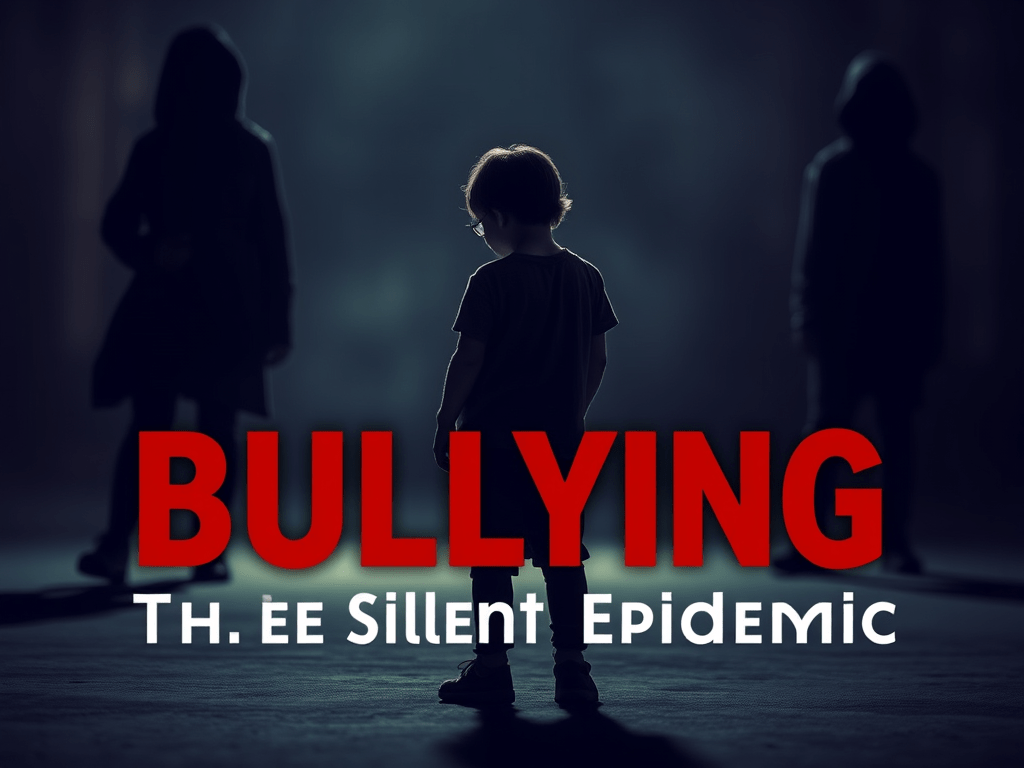
  • Bullying: The Silent Epidemic and a Deep Wound in Society That is Destroying Lives; Here’s How to Stop It.

    Bullying: The Silent Epidemic and a Deep Wound in Society That is Destroying Lives; Here’s How to Stop It.

    Bullying is not exclusive to a particular group of people; it is perpetrated by the insecure, the mean, and the ignorant. Those who see in others what they desire but lack often resort to bullying as a means to assert dominance, vent their frustrations, or mask their own inadequacies. It is a weapon wielded by those who can’t bear to see someone else’s light shine brighter than their own.

    The impact of bullying extends far beyond the moments of humiliation, isolation, and fear that victims endure. It is the root cause of many suicides, psychological traumas, and shattered dreams. While some survivors grow stronger from their experiences, others carry the invisible wounds for a lifetime, unable to fully heal from the pain inflicted upon them.

    According to the National Center for Education Statistics, about 20% of students aged 12-18 experience bullying in school. Furthermore, the CDC reports that suicide is the third leading cause of death among young people, with bullying being a significant contributing factor. The effects of bullying are not just psychological, victims are more likely to suffer from anxiety, depression, and even physical health issues. In workplaces, nearly 30% of employees report experiencing bullying, leading to lower productivity and job dissatisfaction.

    As a child, I sought to shield myself from further harm by choosing solitude over companionship. I believed that distancing myself from others was my way of reclaiming power—a form of revenge that protected my soul from further damages. However, I now realize that bullying is not just an attack on an individual; it is a systematic attempt to diminish potential, to suppress brilliance, and to force conformity. It is a mechanism used by those with troubled minds to break those who dare to be different, intelligent, or visionary.

    Bullying is not only seen in school hallways or workplaces but also in daily interactions. Some bullies manifest their frustration and misery by hitting people’s cars with their doors, releasing their anger on innocent bystanders. Others take pleasure in embarrassing people in public by pointing out their flaws, hoping to diminish their confidence. These acts, though sometimes overlooked, are part of the broader culture of bullying that chip away at the dignity of individuals.

    In many ways, bullying is worse than dying in battle or being stranded on a deserted island. It strips a person of their dignity, their confidence, and sometimes even their will to live. It is a silent epidemic that damages not only individuals but also society. When potential leaders, innovators, and changemakers are stifled by the cruelty of bullies, we all suffer the consequences.

    We live in a world that often glorifies mediocrity while punishing brilliance. It is for this reason that bullies; driven by troubled household, fear, insecurities, jealousy, or ignorance, use their cruelty as a tool to halt the progress of the brave, the shy, and the gifted. If we are to create a just and enlightened society, we must actively fight against this toxic culture of bullying. We must stand up for those who are targeted, educate our communities on the long-term effects of bullying, and foster an environment where kindness, respect, and acceptance are the foundations upon which we build our future.

    Steps to Fight Bullying

    1. Education and Awareness – Schools and workplaces should implement effective anti-bullying programs to educate individuals on the signs, effects, and consequences of bullying.
    2. Encouraging Open Communication – Victims should feel safe speaking up about their experiences without fear of retaliation or shame.
    3. Strengthening Policies and Laws – Governments and institutions must enforce stricter anti-bullying policies, including cyberbullying regulations.
    4. Promoting Kindness and Inclusivity – Encouraging empathy and acceptance in social settings can help prevent bullying behaviors.
    5. Supporting Victims – Providing counseling, peer support groups, and legal assistance to those affected by bullying.
    6. Holding Bullies Accountable – Addressing bullying at its root cause by providing behavioral interventions for perpetrators to prevent future harm.

    In my opinion, No one should have to endure the misery of bullying. It is a societal issue that affects not just individuals but entire communities. By raising awareness, implementing stronger protective measures, and fostering a culture of kindness, we can put an end to bullying. We must work together to ensure that no more lives are lost or diminished due to the cruelty of others. The time for change is now, and it starts with each of us taking a stand against bullying.

    Your engagement plays a crucial role in fostering a vibrant community. It also ensures that you stay informed about the latest trends and developments. By subscribing, you will receive curated content tailored to your interests. You will also get exclusive updates that will enhance your experience. Don’t hesitate to share your thoughts and feedback in the comments; your voice matters and can influence future discussions. Join us on this journey towards continuous learning and discovery!

  • The Paradox of Overpopulation and Resource Scarcity.

    The Paradox of Overpopulation and Resource Scarcity.

    How Did We End Up with Eight Billion People? Fate, Mismanagement, or Sheer Negligence?

    I often find myself pondering a question that few dare to ask: How did we, as a species, reach a staggering eight billion people? Is it destiny and fate, or is it the result of poor decision-making and reckless management? More importantly, how do so many struggles for survival while the numbers continue to rise?

    One of the most perplexing realities I observe is the tendency of financially struggling individuals to get married and have children. Why do so many bring innocent souls into hardship, knowing they lack the means to provide a dignified life? Shouldn’t parenthood be a privilege reserved for those who are both financially and emotionally capable?

    A World of Scarcity or Unequal Distribution?

    Many argue that the Earth has enough resources to sustain its inhabitants. According to the Food and Agriculture Organization (FAO), the world produces enough food to feed 10 billion people. Yet, more than 735 million people suffer from chronic hunger. The issue isn’t production; it’s distribution. Wealth and resources remain concentrated in the hands of a few, while billions struggle to secure basic needs.

    The paradox is unsettling: some nations deal with obesity-related health crises, while others face starvation. Some individuals amass wealth beyond comprehension, while millions cannot afford shelter. If resources exist, why do we fail to ensure fair access? Is this inequality a natural order, or is it a symptom of human greed and systemic failure?

    The Responsibility of Marriage and Parenthood

    I once read that only men who are both financially and emotionally stable should marry. In Islam, this principle is clear: a man who cannot provide for a family is advised to fast and lower his gaze until he becomes capable. Yet, we often see the opposite; people entering marriage without preparation, bringing children into uncertainty, and expecting society to carry the burden.

    When I decided to start a family, I was a teacher. My husband and I were aware of the financial challenges ahead, but we had the foresight and discipline to ensure that our children would never endure hunger or parental neglect. Parenthood is not just about the desire to have children; it’s about the ability to nurture and support them in every possible way.

    Divorce: A Consequence of Unprepared Marriages

    One of the devastating consequences of rushed, unprepared marriages is divorce. Globally, divorce rates have been rising, and the effects on children are profound. In the United States, nearly 40–50% of marriages end in divorce. In some countries, the rates are even higher, particularly in urbanized societies where economic and social pressures create additional strain on families.

    Divorce can have severe emotional, psychological, and financial consequences for children:

    • Emotional and Psychological Distress: Studies show that children of divorced parents are more likely to experience anxiety, depression, and lower self-esteem. A 2019 study published in the Journal of Family Psychology found that children from divorced families are twice as likely to suffer from mental health issues compared to those from intact families.
    • Financial Hardship: Divorce often leads to financial instability, particularly for single-parent households. Research indicates that nearly 50% of single mothers in the U.S. live in poverty or face economic hardships after divorce, making it difficult to provide for their children’s education and well-being.
    • Academic and Social Struggles: Children of divorced parents are more likely to perform poorly in school and exhibit behavioral problems. A study by the National Bureau of Economic Research found that divorce negatively impacts children’s educational attainment, often reducing their likelihood of pursuing higher education.
    • Increased Risk of Future Divorce: Statistics suggest that children of divorced parents are more likely to divorce when they grow up. They often struggle with commitment and relationship stability due to witnessing their parents’ failed marriage.

    While some divorces are necessary, especially in cases of abuse or toxicity, many could have been prevented with better preparation, financial stability, and emotional maturity before marriage.

    A Logical Perspective on Humanity’s Future

    I am a realist. I examine life’s struggles and successes with logic rather than blind emotion. If we, as a global society, wish to progress toward a just and sustainable world, we must confront these difficult questions. Are we suffering because there are too many of us, or because we have failed to manage our resources and responsibilities wisely?

    A wise society should prioritize creating conditions where every human being can reach their full potential. This means ensuring access to education, healthcare, and economic opportunities before individuals embark on the lifelong commitment of marriage and parenthood. The children we bring into this world should not bear the consequences of our ignorance, selfishness, or lack of foresight.

    Final Reflections

    After almost thirty years of marriage, I feel compelled to share these insights; not as judgments, but as reflections from experience. If we seek to build a fair and sustainable world, we must start by questioning the choices we make at the most fundamental levels of life. It is not just about bringing more people into existence; it is about ensuring that every human life is valued, nurtured, and given a fair chance to thrive.

    If you enjoyed this post, please consider subscribing and leaving a comment. Your feedback is greatly appreciated. Thank you for your support!

  • Setting Boundaries: The Most Important Skill to Learn

    Setting Boundaries: The Most Important Skill to Learn

    I was always a caretaker of others’ happiness. I feared losing family and friends if I said no. I sacrificed my emotional well-being and financial well-being just to keep them happy. I couldn’t set boundaries, and in doing so, I failed myself. But life has a way of teaching us lessons, even if we learn them the hard way.

    When I finally said no, I lost everyone I had been trying so hard to please. That’s when I realized my place in their lives had always been conditional. I was only valued as long as I served their needs. It was a painful awakening, but it was also freeing. I wasn’t their friend or family; I was their convenience. And when I stopped being useful, I stopped existing to them. It is tragic to discover your worth in someone’s life. It is also eye-opening to realize that you were seen as nothing more than a tool.

    Saying no was not just necessary—it was an act of self-respect. I chose to save my dignity and protect my sanity, and that decision changed everything.

    Breaking Free from Conditional Love

    Many of us are raised to believe that love must be earned through self-sacrifice. We are taught that to be loved, we must always be available, always say yes, and always put others first. Those of us who grew up receiving conditional love often struggle to distinguish between genuine affection and manipulative dependency.

    But here’s the truth: we are not born to be everyone’s savior. Our existence is not defined by how much we can fix or carry for others. When we internalize this, we unlock a new level of peace and freedom.

    We were not placed in this world to fulfill someone else’s purpose. We are here to find our own. We are not the dumping ground for other people’s mistakes, nor are we responsible for cleaning up their messes.

    As Brené Brown wisely stated:
    “Daring to set boundaries is about having the courage to love ourselves, even when we risk disappointing others.”

    The Weight of Guilt: A Hidden Enemy

    The burden of guilt is one of the greatest sources of suffering. This is true whether in the form of depression, addiction, or even suicidal thoughts. The feeling of not doing enough, not helping enough, not being enough.

    The numbers confirm this painful reality:

    • A study by the American Psychological Association found that 70% of people struggle with saying no, fearing rejection or conflict.
    • Research from Mental Health America shows that people-pleasing tendencies increase the risk of anxiety and depression by 50%. These tendencies lead to emotional exhaustion. They also cause resentment.
    • According to the National Alliance on Mental Illness (NAMI), 43% of people experiencing burnout attribute it to the pressure. They feel that they must always be there for others. This happens at the expense of their own well-being.

    But you owe no one your peace.

    The first step to freedom is understanding that love, especially from parents, should be unconditional. If they did not manage to give a safe environment, they can’t dictate your life. Often, the struggles we face as adults are deeply rooted in our childhood experiences. Some of us are fortunate to have guidance in the right direction. Others face the challenges of life on their own.

    For those of us who had to figure everything out the hard way, the journey can be long and painful. Some will succeed in breaking free, while others never escape the cycle. But one thing remains true—we are not responsible for healing others at the cost of breaking ourselves.

    As the brilliant poet and novelist Rupi Kaur wrote:
    “You do not just wake up and become the butterfly. Growth is a process.”

    Final Thoughts

    Setting boundaries is not selfish; it is necessary. It is a declaration that your worth is not measured by how much you can give or endure. It is a commitment to your well-being, your peace, and your purpose.

    So, if saying no means losing people who never truly valued you, let them go. Because the right people—the ones who love you unconditionally—will respect your boundaries, not punish you for them.

    As the great Maya Angelou said:
    “When someone shows you who they are, believe them the first time.”

    Your engagement plays a crucial role in fostering a vibrant community. It also ensures that you stay informed about the latest trends and developments. By subscribing, you will receive curated content tailored to your interests. You will also get exclusive updates that will enhance your experience. Don’t hesitate to share your thoughts and feedback in the comments; your voice matters and can influence future discussions. Join us on this journey towards continuous learning and discovery!

  • Awaken Your Inner Power to Overcome Challenges

    Awaken Your Inner Power to Overcome Challenges

    Life is a battlefield of challenges, but the most formidable and elusive one we often struggle to overcome is fear. We fear starting anew, embarking on fresh endeavors, or stepping outside our comfort zones. We fear failure, judgment, and the uncertainty of the unknown. We doubt our own potential, held back by limiting beliefs that have taken root in our minds.

    Yet, fear loses its grip when we dare to look within—when we reach deep inside ourselves for purpose and clarity. We reshape our thoughts to serve us when we change our mindset. We harness the power of self-belief. Understanding our “why” infuses meaning into our existence, unlocking an inner force that drives us onward.

    When we ignite this hidden spark, we become our own powerhouse of success and fulfillment. We transform into individuals of resilience and unstoppable momentum. Our self-worth and talents emerge in their full glory. The moment we release the brakes of hesitation, we press firmly on the accelerator of ambition. We become a force that can not be defeated.

    Only death itself can put an end to the boundless energy of a mind. This mind has conquered fear and embraced purpose.

    The Four Forces of Infinite Success

    Inside each of us exist four powerful engines—the Mind, Soul, Heart, and Instinct. Each of these forces carries both positive and negative intentions. When we train them to work in harmony for good, they form an unbreakable shield against failure, evil, and self-destruction.

    Here’s how to synchronize them and unlock limitless potential:

    1. The Mind – The Architect of Thought

    The mind is a double-edged sword. It can either build you up or tear you down. Train it to serve you.
    Filter your thoughts – Reject self-doubt, nurture empowering beliefs.
    Seek wisdom – Knowledge sharpens decision-making. Learn from both success and failure.
    Stay disciplined – A focused mind directs energy toward progress, not distractions.

    2. The Heart – The Engine of Passion

    The heart can be reckless, but when guided wisely, it fuels the fire of purpose. Use its power with intention.
    Follow your true desires – Not fleeting emotions, but the goals that make your soul burn with excitement.
    Balance love and reason – Let passion drive you, but never without clarity. Let go of negativity – A heart full of resentment weakens your power. Choose love and strength.

    3. The Soul – The Keeper of Truth

    The soul is your eternal guide, carrying your deepest wisdom. But it can be silenced by noise, confusion, or false paths. To connect with it:
    Seek alignment – Live in truth with yourself; do not betray your values.
    Silence the world, listen within – Meditation, prayer, and reflection awaken the soul’s voice.
    Act with integrity – A soul that stays true becomes unshakable.

    4. The Instinct – The Silent Navigator

    Instinct is the raw force of survival and success. But without guidance, it can be clouded by fear or impulse. To sharpen it:
    Trust your gut, but verify – Listen to it, but refine it with experience.
    Stay focused – Overthinking dulls instinct. Be aware in the moment.
    Let instinct be your protector – It senses danger, opportunity, and truth before logic does.

    When the Four Forces Unite, You Become Unstoppable

    When the mind, heart, and soul work in harmony, they enhance the instinct, making it sharper, stronger, and more reliable. These four forces, when synchronized, become an indestructible energy field against negativity, setbacks, and evil influences.

    You become a being of power, clarity, and resilience.
    You become a force that can not be defeated.
    You become infinite success in motion.

    Awaken Your Infinite Power

    Your greatness has always been within you—waiting to be unleashed. Now is the time to take control. Align your four forces. Step into the life you were meant to live.

    Want more insights like this? Subscribe to stay inspired, get powerful strategies, and unlock the secrets to infinite success.

    Please, join the journey today! Enter your email below and take the first step toward mastering your mind, heart, soul, and instinct.

    “He who knows others is wise; he who knows himself is truly enlightened.”Lao Tzu

  • Reinventing Yourself: Education and Success for Women at Any Age

    Hello, wonderful readers!

    As women, we often find ourselves balancing many roles—whether it’s being a loving wife, a nurturing mother, or a dedicated worker. But what if I told you that no matter where you are in life, whether your kids are grown or you’re looking for something new, it’s never too late to follow your passions and pursue your education?

    I’ve lived this truth myself. For many years, I poured my heart and energy into raising my children, making sure they had everything they needed to thrive. Now that my kids are in college, I find myself in a new chapter, one where I’m able to focus on my own dreams, too.

    It wasn’t always easy. For years, I felt like I had to prove myself—whether as a wife, a mother, or in my career. But I came to a powerful realization: the journey of learning and growing doesn’t stop when you have children. In fact, it can be a whole new beginning!

    Now, I’m diving into a new path. I’m starting this blog, pursuing my education, and focusing on what makes me feel fulfilled. And you can do the same.

    It’s Never Too Late to Start

    Whether you’re in your 30s, 40s, or 50s, the time to start something new is now. You don’t have to wait for the “perfect” moment. Life may change, but your ability to learn, grow, and succeed remains limitless. In fact, your experiences—whether in raising children or building a family—can give you the strength, resilience, and insight that only time can provide.

    I know how it feels to be caught in the whirlwind of life. But now that I’ve refocused on my own education and passions, I see the world differently. There is so much more to achieve. Women can succeed at any stage of life, and education—whether formal or self-guided—is the key to unlocking that success.

    A Personal Example: How I’m Rebuilding My Life

    After spending so many years helping my kids build their future, I decided to do the same for myself. Now, I’m committed to furthering my education, starting a blog, and working toward goals I once thought were out of reach.

    I want to encourage you, whether you’re considering going back to school, learning a new skill, or even starting a business. It’s all possible, and I’m living proof. You don’t have to wait for your kids to be grown, or for your life to slow down. You can take action today, no matter your age or stage of life.

    What Can You Do Right Now?

    1. Assess your passions and goals: What is it that excites you? What do you wish you had the time to learn or do? You’re never too old to start exploring.
    2. Look for learning opportunities: You can find online courses, evening classes, or self-paced learning. There’s no shortage of resources, and many are free or affordable.
    3. Start small: Whether it’s reading a book, taking a class, or enrolling in a degree program, take one step at a time. Every small effort counts.
    4. Create a support system: Surround yourself with people who encourage your growth. Whether it’s a mentor, a supportive family, or an online community, make sure you have the encouragement you need.

    Remember, success is not defined by age. It’s defined by your courage to go after what you want, no matter when or where you start. You can start fresh, redefine your purpose, and make your dreams a reality.

    I believe in you, and I know you have everything it takes to succeed—just like I am. Let’s make this journey one of growth, independence, and fulfillment!

  • Smart & Independent: A Living Journal for Growth and Truth

    Smart & Independent: A Living Journal for Growth and Truth

    Hello, I am Noelle Sophie, and I am so excited to welcome you to my blog, Smart & Independent. As someone who’s always believed in empowerment and independence, I decided to share my journey and insights with others.

    This blog is dedicated to helping women (and anyone!) become more empowered, confident, and financially independent. I’ll be sharing tips on personal growth, financial freedom, and living a life that’s true to yourself.

    I started Smart & Independent because I know what it’s like to feel stuck. I was also unsure of how to move ahead in life. Over the years, I’ve learned that making smart decisions is crucial. Whether the decisions are financial, personal, or professional, they create the foundation for independence and success.

    For many years, I worked hard to prove myself to others—whether as a wife, daughter, or professional. I realized that true fulfillment comes when we make decisions based on our own needs and aspirations. It does not come from just others’ expectations. Now, I’m here to share what I’ve learned. I want to help you take the steps toward creating your own version of success. This also means achieving your own sense of freedom.

    On this blog, I’ll cover topics like:

    • Building financial independence,
    • Overcoming societal pressures and expectations,
    • Personal growth and self-improvement,
    • Finding confidence to live life on your terms.
    • This is a space for those who wonder. For those who’ve been told to stay silent, shrink small, or accept things that make no sense. I write to remember what matters. I write to make sense of the world. I write to break limits, gently but boldly.

    I hope you find inspiration here and feel encouraged to take action toward your own empowerment.

    What about you? What challenges are you facing when it comes to independence and confidence? Feel free to leave a comment below; I’d love to hear your thoughts!

    If you’re ready to embark on this journey with me, make sure to subscribe for updates on new posts. Thank you for being here, and I’m excited to get started!