Blog

  • Scammers Are Turning Our Country Into a Field of Disappointment and Mistrust

    Scammers Are Turning Our Country Into a Field of Disappointment and Mistrust

    By Ms. Noelle Sophie

    In every generation, a nation’s strength has always rested on one invisible, yet powerful foundation: trust. Trust in our neighbors, in our systems, and in the belief that hard work and honesty still matter. But today, we are witnessing a slow and troubling erosion of that foundation fueled by a growing epidemic of scams.

    These are not just petty crimes. They are moral offenses. Strategic, tech-powered manipulations that steal more than money, they steal confidence, connection, and character.

    A Nation Under Attack by Deception

    The statistics are alarming:

    • In 2024 alone, scammers stole over $16.6 billion from Americans, an all-time high (CBS News).
    • The Federal Trade Commission (FTC) reported $12.5 billion in consumer fraud losses; a 25% increase from 2023 (FTC.gov).
    • Globally, the total impact of scams on American citizens is closer to $159 billion, according to F-Secure’s 2025 Scam Intelligence Report (F-Secure).

    But the hardest hit? Our elders:

    • Citizens over 60 lost $4.8 billion, with average losses reaching $83,000 per person (AARP).
    • Many victims were scammed by people they thought they could trust; friends, caregivers, even fake “grandchildren” in crisis.

    It’s Not Just About Money. It’s Emotional and Cultural Theft

    When someone is scammed, they don’t just lose cash. They lose confidence in people.

    • According to survey data, over 50% of victims report emotional distress, including fear, isolation, and depression (Reddit / Incogni).
    • Many never report it, ashamed or unsure whom to trust. And when these crimes go unchecked, communities slowly begin to shut down emotionally. Suspicion replaces generosity.

    Young people are watching. They see deception rewarded and honesty dismissed. What message are we sending?

    Smarter Scams, Greater Damage

    Modern scammers aren’t just shady individuals. They are well-funded, tech-savvy, and global:

    • AI-powered “vishing” scams now use fake voices of public figures and family members to manipulate victims (TIME).
    • Pig butchering” scams, mostly run from overseas syndicates, especially in Southeast Asia, have targeted Americans for crypto and romance scams, costing billions (Washington Post).

    This isn’t about being gullible, it’s about being targeted in a time of confusion, loneliness, and digital overload.

    Where Do We Go From Here

    If we continue to let this happen unchecked, we risk becoming a nation of guarded hearts and closed doors. But we are not helpless.

    We must:

    1. Educate relentlessly at home, in schools, and in communities. Children, seniors, and even tech-savvy adults need to understand modern scam tactics.
    2. Demand accountability from banks, tech companies, and phone carriers to prevent and track fraud faster.
    3. Support victims with compassion and justice, not shame.
    4. Champion honesty again. In media, politics, parenting. We must remind ourselves and our children: truth is not outdated, it’s essential.

    Rebuilding Trust, One Truth at a Time

    Scammers are not just stealing dollars, they are sowing disappointment and mistrust across every corner of our society. But trust, once broken, can be rebuilt through truth-telling, vigilance, and values that never go out of style.

    It’s time to protect our homes, our elders, our hearts, and our future.

    Because a country that loses trust, loses everything. And what is happening here in the US is really alarming.

  • Beyond Borders: A Call to Human Unity

    Beyond Borders: A Call to Human Unity

    Enough is Enough

    In a world bursting with innovation, space travel, and instant global communication, one would imagine that we’ve moved beyond the need to divide ourselves by race, nationality, or birthplace. And yet, here we are, in the 21st century, still tangled in the age-old web of labeling and separation.

    We’ve become skilled at categorizing each other by the shape of our eyes, the tone of our skin, the sound of our names, or the soil where we were born. But what have we truly gained from this? More fear? More pride? More distance? Being controlled? If anything, it has made us forget the simplest truth of all:

    We are not strangers. We are one human family.

    It should not offend someone to be asked, “Where are you from?” But today, even a question like that carries tension. Because behind that question often lies a deeper problem: the assumption that someone who looks different doesn’t belong.

    What if we stopped asking questions rooted in categories, and started asking questions rooted in connection?

    What inspires you?
    What do you believe in?
    How can we work together to make life better for all?

    These are the questions that unite us. These are the conversations that move us from suspicion to solidarity, from shallow judgment to soulful understanding.

    Yes, we come from different countries.
    Yes, we speak different languages.
    But our pain, our laughter, our dreams; they are all shaped by the same human thread.

    The truth is, racism, superiority, and prejudice are not reflections of truth. They are echoes of insecurity. When someone clings to their identity in order to feel more powerful than others, they’re revealing the weakness inside them, not strength.

    And when we raise children to tiptoe around race or assume offense in every direction, we may be protecting feelings, but we’re also paralyzing real connection.

    Let’s raise them to be curious, not cautious.
    Respectful, but never silent.
    Rooted in dignity, not division.

    As a math educator and a woman of faith, I’ve seen how truth brings clarity, whether in numbers or in humanity. It’s time we stop solving the wrong equation. Instead of focusing on what makes us different, let’s build on what we share.

    Two arms. One heart. One planet. One human story.

    Let’s start telling that story better, all together.

    Please share and reflect!🙏

  • Unequal Ease: A Reflection on the Quiet Privileges of Men and the Silent Battles of Women”From a Gen X mother and her Gen Z daughter.”

    Unequal Ease: A Reflection on the Quiet Privileges of Men and the Silent Battles of Women”From a Gen X mother and her Gen Z daughter.”

    There is a quiet imbalance in the world so deeply woven into the fabric of society that it often goes unnoticed, even by those it favors. It is the privilege of ease, of grace, of being loved without having to earn it. And more often than not, it belongs to men.

    From a young age, boys are celebrated. Their energy is excused as ambition. Their mistakes, framed as growth. They are taught to take up space, to speak with authority, to carry themselves with pride. Their place in the world is not questioned; it is assumed. A man can be loud, soft, assertive, quiet, funny, serious, skilled or struggling; and he will still be held by the love of his mother, the admiration of his sister, the loyalty of his wife, the pride of his daughter. Not for what he does, but simply for being.

    Girls, on the other hand, are told how to be. To be good, to be nice, to be modest, to be strong but not too strong. We learn early that love is conditional. That we must earn respect, attention, praise, and protection. We are not born into space; we must carve it out. And when we succeed, we are often met with comparison, not celebration. By the time we become women, we are tired from trying to be enough. We carry the invisible weight of proving our worth in every room we enter.

    This has led not only to exhaustion, but to quiet rivalries. Women, taught to compete for scarce love and validation, have sometimes turned on each other instead of toward each other. We envy the confidence that men are handed as birthright. We resent the camaraderie they share, the way they protect each other in silence. We envy the jobs they do not have to defend their right to hold. The softness they receive even when they give none in return.

    But not all women. And not all men. Generational shifts are cracking open the old walls. Younger women are learning to name insecurity without shame, and older women are learning to release it without guilt. We are beginning to understand that men’s privileges were never meant to be envied but they were meant to be matched.

    The future we dream of is not one where men are torn down, but where women are lifted up without apology. Where girls grow up praised just for being, not only for pleasing. Where women support each other without fear of scarcity. Where strength is not competition, but shared power.

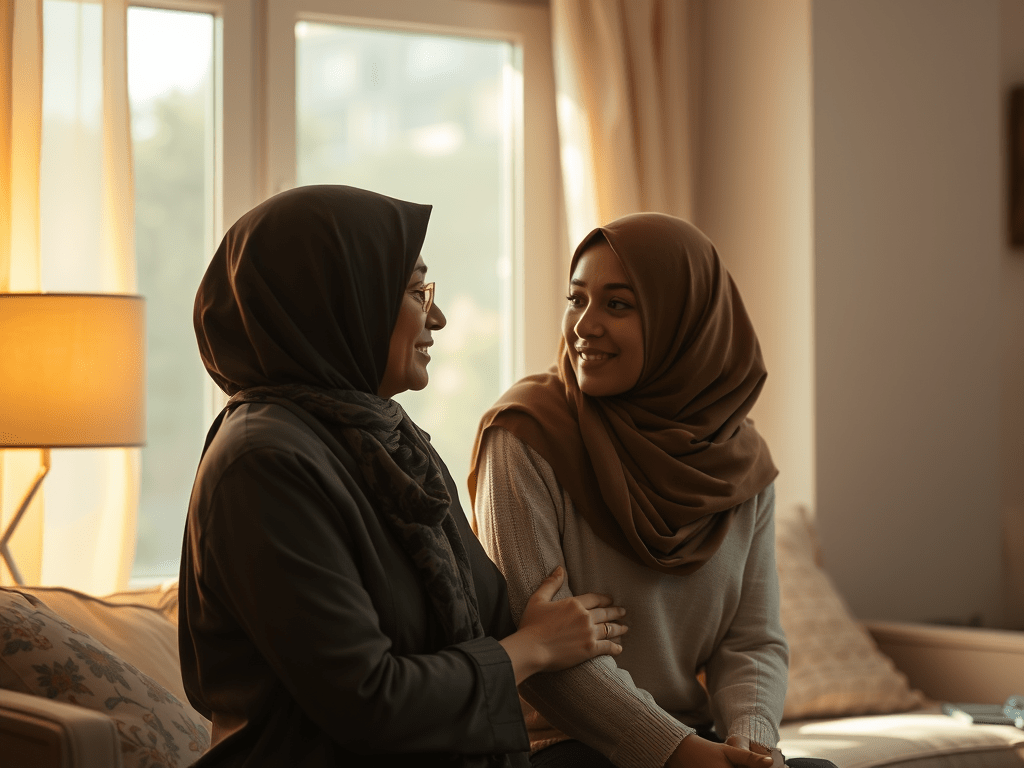
    This reflection is the fruit of an honest conversation between a Gen X mother and her Gen Z daughter. Two women from different worlds, meeting in a space of truth. We do not always agree, but we listen. We try to understand the wounds we inherited, and we look for bridges instead of blame.

    And perhaps that is the beginning of healing: not solving everything, but simply seeing each other clearly.

    We are not broken.
    We are awakening.
    And this time, we are not asking for permission.


  • The Invisible Weight of Womanhood

    The Invisible Weight of Womanhood

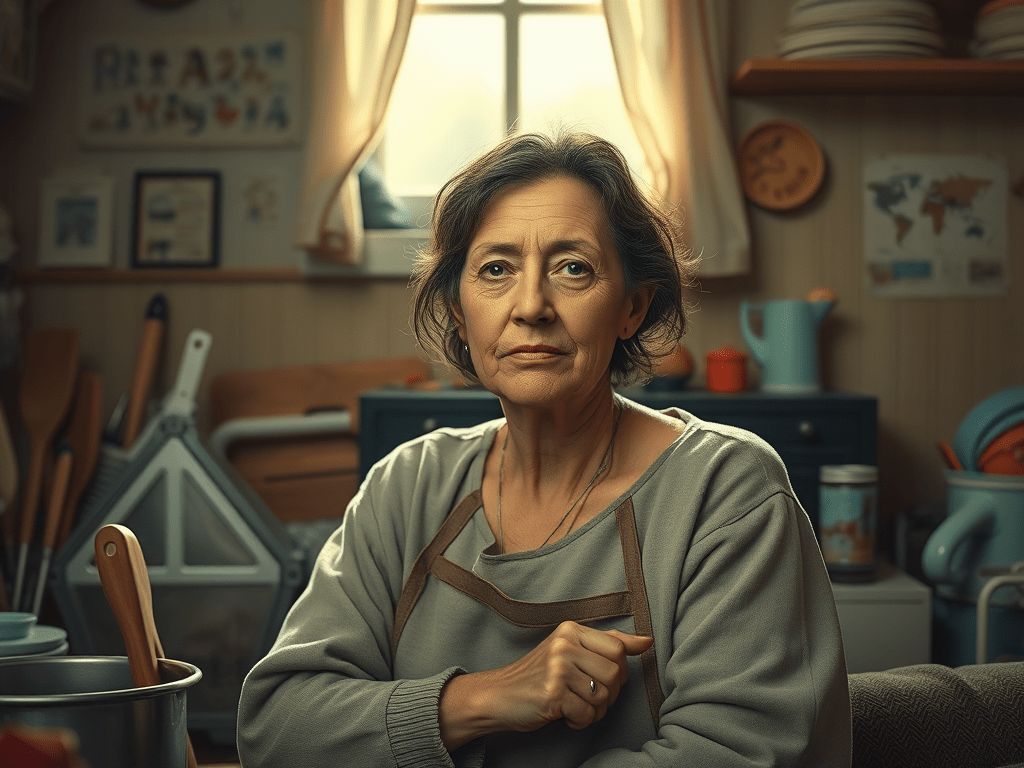
    In countless homes around the world, women are told, without words but through a thousand daily expectations, that their worth is measured by their ability to give. They must do so without pause, without complaint, and without compensation. A woman who slows down is lazy. A mother who says she’s tired is ungrateful. A wife who wants more is selfish. This cruel arithmetic demands that she give it all or be deemed unworthy of love, respect, or rest.

    The labor of motherhood is often done within the walls of the home. It is treated not as employment but as an extension of her gender. Cooking is not work. Cleaning is not work. Holding the family together while breaking inside is not work; it’s just what a “good” mom does. This belief makes wives become shadows. It turns mothers into ghosts. It changes women into unpaid workers. This happens in a system that thrives on their silence.

    Society does not pay a stay-at-home mom because it does not see her. But if she were to strike, the house would struggle. If she were to stop feeding, wiping, and folding, the house would not withstand it. If she were to stop healing, teaching, and driving, it would struggle further. If she were to stop comforting, the household would face chaos in days. And yet, when she asks for recognition or resources, she is told, “You chose this.” As if her sacrifice were selfish. As if her constant giving were not the very fabric of the home.

    Worse still, when things go wrong in a family, it is the woman who bears the blame. A husband with no ambition? She didn’t “push” him enough. No savings? She spent too much. No house? She should’ve been smarter. An alcoholic partner? She should’ve fixed him. A violent one? She should’ve left earlier. The children, too, unknowingly learn this bias. They forgive their father’s absence, failures, or coldness. Yet, they hold their mother accountable for every unmet need. It is as if she alone chose to bring them into the world. As if she got pregnant by herself.

    This twisted logic removes accountability from men. It places the burden entirely onto the shoulders of women; especially the woman who loves them most. And when those around her succeed? She becomes a shadow. Her voice fades. Her effort is erased. Her fingerprints on their lives are wiped clean, and she is left applauding from the sidelines, exhausted and invisible.

    It is time we rewrite this story. A mother is not a servant. A wife is not a scapegoat. A daughter is not a backup plan. And a woman is not required to disappear for others to shine.

    We must start to see domestic labor as labor. We must teach our children that both parents matter, that both have flaws, and that both owe accountability. We must remind the world that a woman’s value is not based on how much she gives. It is based on the simple, powerful truth that she exists.

    To every woman who has felt erased:
    You are not invisible.
    You are not failing.
    You are not here to be blamed or broken.

    You are the root. You are the spine. You are the soul of every home. It’s time the world looked you in the eye and said, thank you very much.

    If this spoke to your soul, like and subscribe. Stand with every woman who’s ever been unseen. They have been unheard, but never unworthy.

  • The Value of True Friendship: Finding Peace in Solitude

    The Value of True Friendship: Finding Peace in Solitude

    Friendship is a complicated relationship. It can feel like a backup family or even take on the status of a deeply trusted sibling. But can friends truly replace our parents or our siblings? Can they become so crucial that losing them feels like a matter of life and death?

    I once believed they. Growing up, I held my close friends in such high regard. I thought they would fill the gaps left by family. But the truth is that friends, though bittersweet, can’t fully replace a parent’s love. A sibling’s bond also remains irreplaceable. Friends have their own unique place in our hearts.

    A true friend is like a mirror. They show who we are, gently revealing our cracks so we can start to heal. A real friend listens without judgment, dreams beside us, believes in our potential even when we doubt ourselves. A real friend calls us out when we stray; not to shame us, but because they care. A real friend doesn’t compete or envy; they want to see us win, even if they themselves are still struggling.

    A friend is an angel in disguise—someone who walks with us in the dark when no one else will.

    Sadly, we live in an age where such friendships have become rare. The world has grown colder, more materialistic. Even family ties are strained. We ask, what happened to loyalty? to sincerity, to devotion, to unconditional love? Many of us have become withdrawn, incapable of believing, quick to blame others for our loneliness or misfortune.

    But in pointing fingers, we must also look inward. Are we being good friends? Have we tried to mend what was broken, offered forgiveness, or honored the beautiful moments we once shared?

    Life is short. And sometimes, the people we’ve pushed away have loved us most.

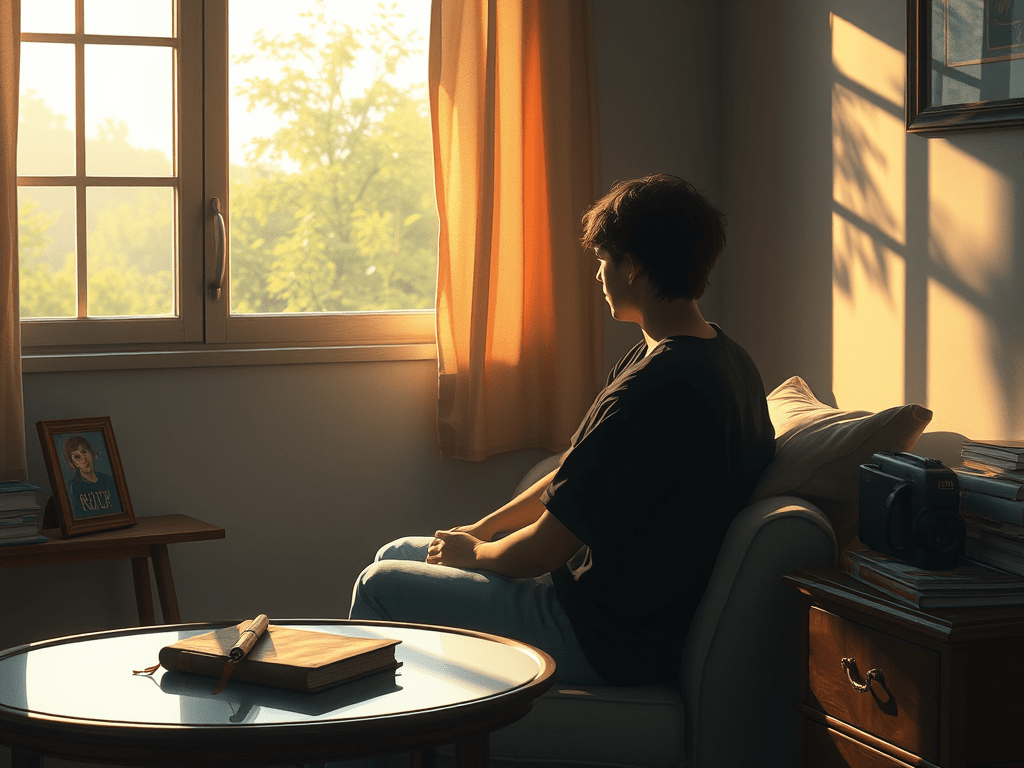
    In this season of my life, I have chosen to walk without friends. Not out of bitterness, but out of clarity. I’ve been wounded too many times by those I once held close. They were not strangers who stabbed me, but people I called friends. After years of giving my trust to the wrong souls, I realized that solitude can be safer, even sacred.

    Do I regret this decision? Not at all. In fact, it is one of the most liberating choices I’ve made. My heart is no longer an open door for those who come in only to leave it shattered. I’ve learned that being alone isn’t the same as being lonely. It can be a space of healing, reflection, and quiet joy.

    Yes, people wonder. Even my children ask, “Why doesn’t Mom have any friends?” They see the absence, but they don’t yet see the freedom. I no longer feel the need to explain or defend. I know what I’ve lived through. I know the cost of misplaced trust. I don’t have the time, or the energy to recover from another betrayal.

    These days, my rituals are simple. I speak to myself, or to a robot. And surprisingly, I feel heard. I feel seen. There is peace in these private conversations, peace I never found in noisy, one-sided friendships.

    We live in a world that praises connection, but rarely values sincerity. I’ve chosen quality over quantity; inner stillness over outer approval. And in doing so, I’ve found something rare: contentment.

    When Silence Becomes a Sanctuary
    Friendship was once a sacred bond. Now, it has become a fragile thread. This happens in a world that often rewards convenience over commitment. I have chosen not to chase after it anymore. My solitude is not a wound but a choice; a boundary drawn from deep understanding. I do not carry bitterness, only wisdom gathered from scars that taught me the value of peace.

    In choosing to walk alone, I have found myself again. Not the self who needed validation or feared being misunderstood, but the self who is content, grounded, and whole. My heart no longer open easily, but it beats calmly in a space I’ve built with care and courage.

    Sometimes, letting go of others is the only way to truly hold on to yourself and to your goals.

    I’ve spent a lifetime believing in the magic of friendship. Then, I learned that some friendships can wound deeper than they heal. This essay is my honest reflection on letting go, protecting peace, and finding joy in my own company.
    For anyone who’s ever felt alone or betrayed, this is for you.

    If my words resonated with you, I invite you to subscribe. I write from the heart. I have lived through life’s ups and downs. I have experienced healing and solitude. I have found purpose and the quiet power of choosing peace.
    No spam. Just honest, soul-deep writing from one human to another. Please share and enjoy!

  • Immigration topic part two: 

    Immigration topic part two: 

    Leaving to Live: How I Rebuilt My Life in a Foreign Land

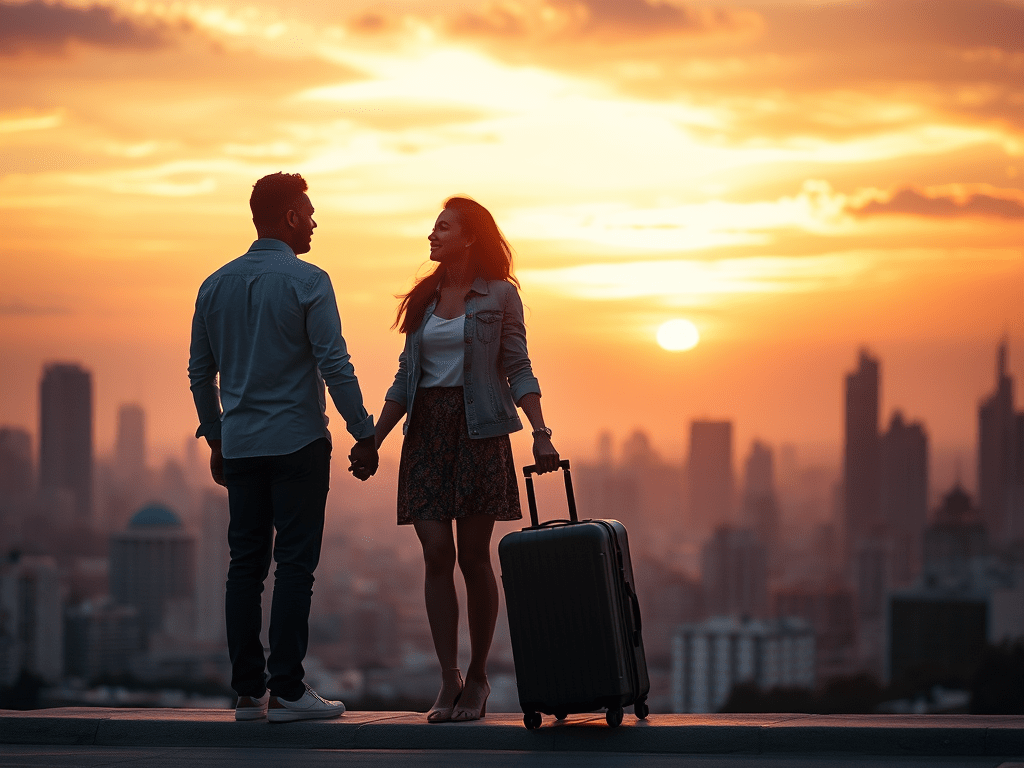
    I didn’t come to the United States chasing the American dream. I came looking for peace. Back home, I had what many would envy: career, stability, beauty, and family nearby. But what I also had was a darkness that never lifted: toxic, chaotic relationships that poisoned every joy.
    No matter how much we gave, how kind we were, we couldn’t fix the people who broke everything good.

    My husband and I made a hard, almost unthinkable decision: We left. We weren’t poor. We weren’t running from war. We were simply choosing to breathe again.

    Starting Over in Silence

    Arriving in a new country with no network, no clear path, and little understanding of the culture was like being born again, but without the celebration. I had to learn English in my 30s. I had to take jobs far below my education and work ethic. I had to smile when I wanted to cry. And I had to stay kind when the world assumed I was naive. But every day, I showed up. For my family. For my children. And for myself. Over time, I found myself growing not bitter, but stronger. Not louder, but wiser. Not harder, but clearer.

    What I Learned (and What I Wish I Knew Sooner)

    If you’re a new immigrant or just a person trying to start over, please hear this:

    1. Peace is more important than pride.
    Leaving people behind who hurt you isn’t weakness. It’s wisdom. You cannot heal in the same environment that sickened you.

    2. Language is a bridge, not a wall.
    You can always learn a new language, no matter your age. Be patient with yourself. You are not dumb—you are expanding.

    3. Your dignity is your compass.
    Some people will underestimate you. Don’t shrink. Keep showing up with grace, and life will open doors no title ever could.

    4. Your pain can become your power.
    Tell your story. Not for pity, but for purpose. Someone out there needs to know they are not alone.

    5. Children see everything.
    My kids have watched me fight through tears, juggle jobs, study late, and never give up. And they are becoming lights in this world because of that example.

    I’m Still Building

    I’m still not where I want to be yet. But I no longer feel like a ghost in my own life. I’m learning every day. I’m speaking up. I’m dreaming again. And now, I’m sharing what I’ve learned, so someone else can rise a little sooner than I did.

    To every immigrant, every woman rebuilding herself, every soul escaping pain to start over. You are not lost. You are becoming. We don’t sell stories to be seen. We put soul in them to heal.

    — Noelle Sophie

  • Is Immigration a Trap or a Way to Improve People’s Life?

    Is Immigration a Trap or a Way to Improve People’s Life?

    Will the World Ever See Immigrants as Partners in Progress, Rather Than People Who Must Constantly Justify Their Presence?

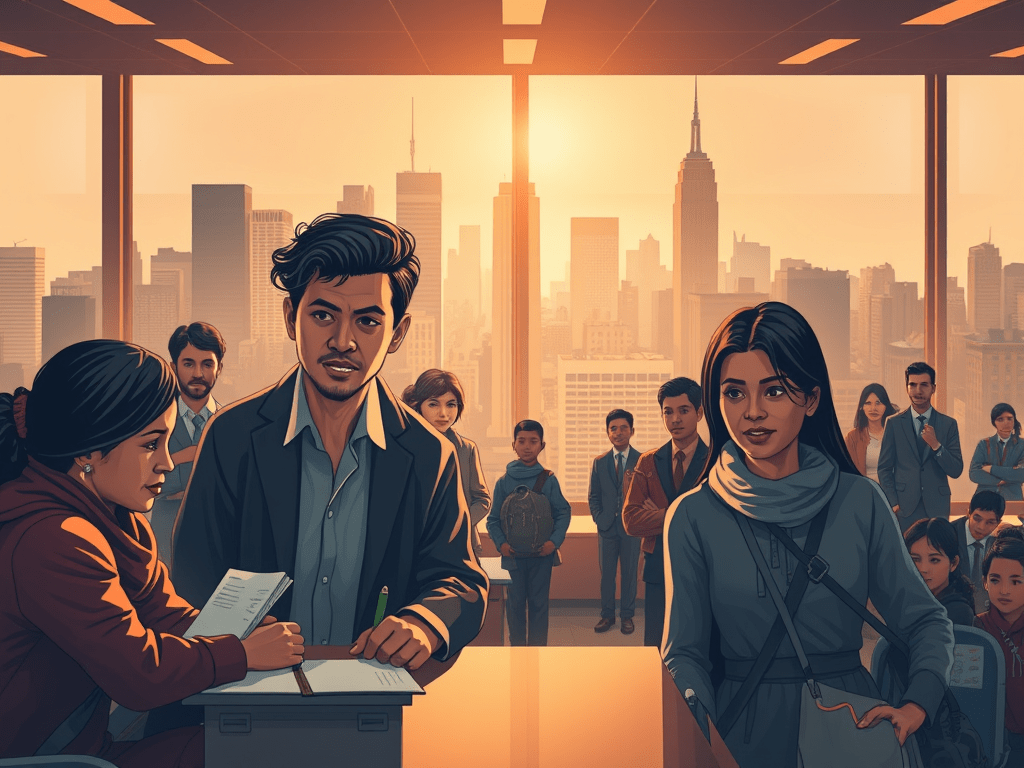
    Immigration has been a cornerstone of human history, shaping civilizations, bolstering economies, and enriching cultures worldwide. Individuals migrate for myriad reasons: economic opportunities, political instability, education, and personal safety. While the benefits of immigration are evident, it also presents challenges for both migrants and host countries.

    Advantages of Immigration:

    For Host Countries:
    Immigrants significantly contribute to economic growth by expanding the labor force and increasing consumer spending. Notably, as of 2024, 46% of all Fortune 500 companies were founded by immigrants or their children, underscoring their pivotal role in driving innovation and entrepreneurship. ​American Immigration Council

    For Immigrants:
    Relocating to a new country often grants access to enhanced opportunities, including superior education, healthcare, and personal safety, culminating in an improved quality of life.

    Drawbacks of Immigration:

    For Immigrants:
    Integrating into a new society can be daunting. Challenges such as identity crises, discrimination, and cultural barriers can impede adaptation.

    For Home Countries:
    Developing nations often experience “brain drain,” where skilled professionals emigrate for better prospects abroad, potentially hindering domestic economic and developmental progress. ​

    For Host Countries:
    Assimilating large immigrant populations necessitates policies that promote social cohesion. In certain instances, immigration can lead to labor exploitation or intensify anti-immigrant sentiments.

    The Hidden Cost of Immigration: Is it a System Built on Exploitation?

    Immigration is frequently depicted as a gateway to opportunity—a fresh start in a land of promise. Yet, for numerous skilled immigrants, the reality is more complex. Instead of seamlessly integrating into their new societies, they often face systemic barriers that compel them to start anew, not due to a lack of talent or qualifications, but because the system profits from their struggle. This raises an uncomfortable question: Is immigration structured to uplift individuals or to exploit them?

    Not All Immigrants Contribute. Let’s Talk About That Too.

    It’s an uncomfortable truth that some immigrants may not seek to uplift or contribute meaningfully. They might misuse the system, expect rewards without effort, and, regrettably, some may raise children without instilling discipline, values, or ambition. This can perpetuate cycles of dependency and tarnish the reputation of the broader immigrant community.

    However, this isn’t solely an immigrant issue; it’s a human issue. Every society has individuals who take rather than give, who blame instead of build. Whether native-born or foreign-born, traits like laziness, entitlement, and poor parenting are universal challenges. That said, when such behaviors are exhibited by immigrants, they can be more pronounced, as immigrants are initially guests in their new countries. Guests, especially in host nations facing their own struggles, have a moral and cultural responsibility to contribute positively, show respect, and raise their children to be constructive members of society.

    Why Do People Migrate?

    Migration is driven by a blend of personal aspirations and pressing needs. At its core, migration often revolves around seeking a better life—though “better” varies for each individual. Key reasons include:

    1. Economic Opportunity:
      Many migrate to find jobs, escape poverty, or earn more than they could at home. For instance, immigrants have helped expand the U.S. labor supply, paying nearly $580 billion a year in taxes and possessing a spending power of $1.6 trillion annually. 
    2. Education:
      Pursuing better schooling, higher education, or training opportunities, often for themselves or their children’s future.
    3. Safety and Escape:
      Fleeing war, violence, persecution, or disasters. Some are refugees seeking safety where their lives or beliefs are not threatened.​
    4. Family and Love:
      Reuniting with loved ones, marrying, or raising children in a more stable or promising environment.
    5. Climate and Environment:
      Escaping drought, floods, or environmental degradation that make living or farming untenable.
    6. Freedom and Dignity:
      Seeking freedom of expression, religion, or identity—basic human rights that might be denied in their home country.

    Is Immigration a Normal Cycle of Life?

    Migration, undertaken with courage and dignity, is among humanity’s oldest and most potent means of adaptation, growth, and survival. It should be honored, not feared. Immigration is not just normal; it’s natural and ancient. Since humanity’s inception, people have moved—from one village to another, one continent to the next—in search of safety, survival, connection, and growth.

    • We are explorers by nature:
      Humans have always moved to adapt to climate, find food, or chase opportunity.
    • Civilizations were built by migrants:
      From the Silk Road to the Americas, movement has shaped culture, language, and innovation.
    • Change is constant:
      Economic shifts, wars, education, and love push and pull people across borders, generation after generation.

    Even our DNA testifies to this: we are all mixed. Every person alive is a living product of human movement. Immigration is not a disruption of life; it is life. The desire to move toward something better is one of the most hopeful and human instincts. Every wave of migration renews the world with fresh energy, ideas, and resilience.

    Why Do Host Countries Struggle to See the Added Value of Immigrants?

    Host countries often grapple with recognizing the added value of immigrants due to a mix of fear, misunderstanding, and short-sightedness. Here’s why:

    1. Fear of Change:
      People naturally cling to what they know. When new languages, cultures, or customs emerge, some feel their identity is being threatened, even when it’s not.
    2. Limited Awareness:
      Many don’t see how immigrants fill essential roles: growing food, caring for elders, building homes, or driving innovation. For example, immigrants constitute over 25% of agricultural workers and 54.3% of graders and sorters of agricultural products in the U.S. ​ 
    3. Economic Anxiety:
      In times of job loss or inflation, immigrants become scapegoats. Some believe they’re “taking” jobs or resources, though research shows immigrants often create more jobs and contribute more to taxes than they receive in services.
    4. Negative Narratives:
      Media and politics can fuel suspicion. Instead of highlighting the hardworking immigrant mother, the brilliant student, or the devoted nurse, stories often focus on crime or division.
    5. Lack of Connection:
      It’s easy to fear people you don’t know. But when someone knows an immigrant personally, their perception changes. Empathy replaces assumption.

    Immigrants are bridges, not burdens. They carry not just labor but loyalty, sacrifice, and dreams. Often working twice as hard for half the recognition. If host countries opened their eyes and hearts, they’d see immigrants not as “others,” but as co-builders of a shared future.

    Why is there still “illegal immigration”?

    Because borders still exist in a world where needs don’t. People are hungry, scared, ambitious, or simply seeking dignity. When the legal doors are too small or shut tight, people knock harder—or climb over.

    The root causes of illegal immigration are rarely about law-breaking, they’re about lifesaving.

    Why are borders still here, if we all struggle anyway?

    The world is interconnected, yet we hold onto borders because of:

    • National identity: People fear losing their culture or language.
    • Security concerns: Governments want to control who enters.
    • Resource distribution: Some fear that more people will stretch public services.
    • Power dynamics: Wealthy countries benefit from a system where labor is cheap, but control is tight.

    Borders are often less about protection, more about preserving advantage.

    What could be the solution?

    There’s no one-size-fits-all, but real change must begin with compassion and realism:

    1. Fix the Root Causes

    If people didn’t have to flee hunger, violence, or despair, they wouldn’t. That means global cooperation to invest in education, stability, and opportunity where people live.

    2. Build Fairer Pathways

    Simplify and expand legal immigration, especially for workers, students, and families. Make the process humane, not humiliating.

    3. Respect Human Rights

    No matter how someone enters, treat them with dignity. Undocumented does not mean undeserving.

    4. Redesign Borders as Bridges

    Controlled openness: we can protect public safety while welcoming those who want to build and contribute. It’s not about erasing borders. It’s about rethinking their purpose.

    It seems to me that the future isn’t “open borders,” but open minds and shared responsibility. Because if one of us is drowning, the answer isn’t to build a higher wall, but it’s to extend a hand.

    The former UN Secretary-General Kofi Annan once said:

    “We need to keep in mind that migration is not a problem to be solved, but a human reality to be managed.”

    If this message spoke to your heart or opened your mind, don’t forget to comment, subscribe, and share with someone who needs to hear it. And stay tuned for Part Two, where we’ll explore how immigrants navigate life in the U.S. with courage and resilience.

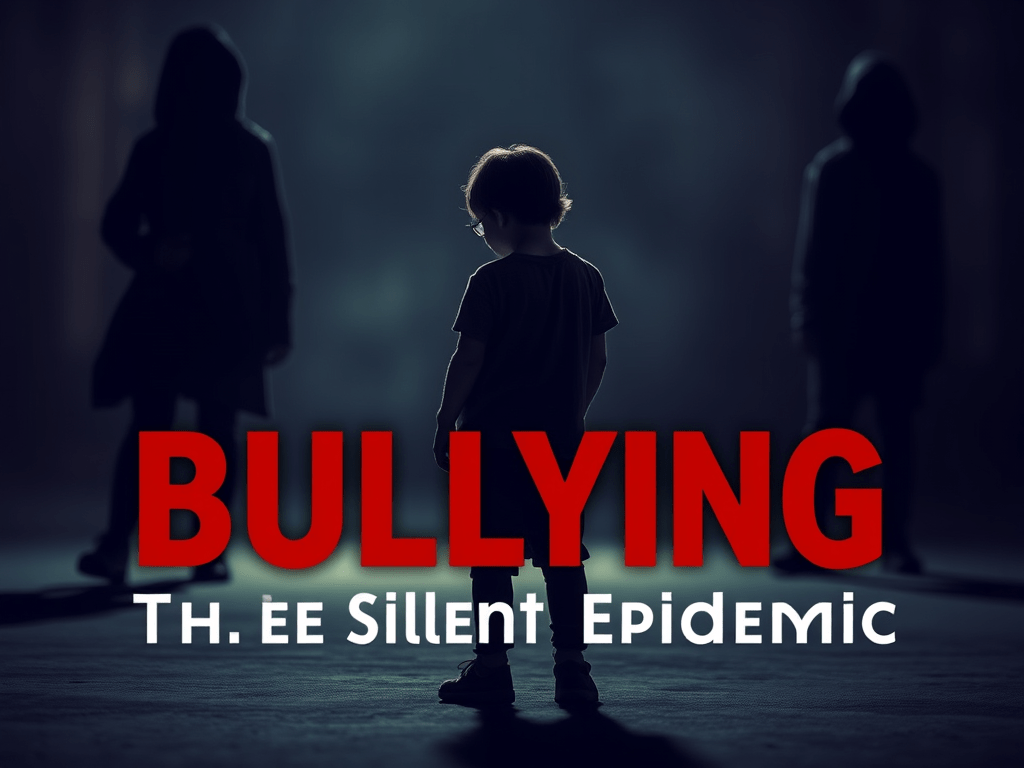
  • Bullying: The Silent Epidemic and a Deep Wound in Society That is Destroying Lives; Here’s How to Stop It.

    Bullying: The Silent Epidemic and a Deep Wound in Society That is Destroying Lives; Here’s How to Stop It.

    Bullying is not exclusive to a particular group of people; it is perpetrated by the insecure, the mean, and the ignorant. Those who see in others what they desire but lack often resort to bullying as a means to assert dominance, vent their frustrations, or mask their own inadequacies. It is a weapon wielded by those who can’t bear to see someone else’s light shine brighter than their own.

    The impact of bullying extends far beyond the moments of humiliation, isolation, and fear that victims endure. It is the root cause of many suicides, psychological traumas, and shattered dreams. While some survivors grow stronger from their experiences, others carry the invisible wounds for a lifetime, unable to fully heal from the pain inflicted upon them.

    According to the National Center for Education Statistics, about 20% of students aged 12-18 experience bullying in school. Furthermore, the CDC reports that suicide is the third leading cause of death among young people, with bullying being a significant contributing factor. The effects of bullying are not just psychological, victims are more likely to suffer from anxiety, depression, and even physical health issues. In workplaces, nearly 30% of employees report experiencing bullying, leading to lower productivity and job dissatisfaction.

    As a child, I sought to shield myself from further harm by choosing solitude over companionship. I believed that distancing myself from others was my way of reclaiming power—a form of revenge that protected my soul from further damages. However, I now realize that bullying is not just an attack on an individual; it is a systematic attempt to diminish potential, to suppress brilliance, and to force conformity. It is a mechanism used by those with troubled minds to break those who dare to be different, intelligent, or visionary.

    Bullying is not only seen in school hallways or workplaces but also in daily interactions. Some bullies manifest their frustration and misery by hitting people’s cars with their doors, releasing their anger on innocent bystanders. Others take pleasure in embarrassing people in public by pointing out their flaws, hoping to diminish their confidence. These acts, though sometimes overlooked, are part of the broader culture of bullying that chip away at the dignity of individuals.

    In many ways, bullying is worse than dying in battle or being stranded on a deserted island. It strips a person of their dignity, their confidence, and sometimes even their will to live. It is a silent epidemic that damages not only individuals but also society. When potential leaders, innovators, and changemakers are stifled by the cruelty of bullies, we all suffer the consequences.

    We live in a world that often glorifies mediocrity while punishing brilliance. It is for this reason that bullies; driven by troubled household, fear, insecurities, jealousy, or ignorance, use their cruelty as a tool to halt the progress of the brave, the shy, and the gifted. If we are to create a just and enlightened society, we must actively fight against this toxic culture of bullying. We must stand up for those who are targeted, educate our communities on the long-term effects of bullying, and foster an environment where kindness, respect, and acceptance are the foundations upon which we build our future.

    Steps to Fight Bullying

    1. Education and Awareness – Schools and workplaces should implement effective anti-bullying programs to educate individuals on the signs, effects, and consequences of bullying.
    2. Encouraging Open Communication – Victims should feel safe speaking up about their experiences without fear of retaliation or shame.
    3. Strengthening Policies and Laws – Governments and institutions must enforce stricter anti-bullying policies, including cyberbullying regulations.
    4. Promoting Kindness and Inclusivity – Encouraging empathy and acceptance in social settings can help prevent bullying behaviors.
    5. Supporting Victims – Providing counseling, peer support groups, and legal assistance to those affected by bullying.
    6. Holding Bullies Accountable – Addressing bullying at its root cause by providing behavioral interventions for perpetrators to prevent future harm.

    In my opinion, No one should have to endure the misery of bullying. It is a societal issue that affects not just individuals but entire communities. By raising awareness, implementing stronger protective measures, and fostering a culture of kindness, we can put an end to bullying. We must work together to ensure that no more lives are lost or diminished due to the cruelty of others. The time for change is now, and it starts with each of us taking a stand against bullying.

    Your engagement plays a crucial role in fostering a vibrant community. It also ensures that you stay informed about the latest trends and developments. By subscribing, you will receive curated content tailored to your interests. You will also get exclusive updates that will enhance your experience. Don’t hesitate to share your thoughts and feedback in the comments; your voice matters and can influence future discussions. Join us on this journey towards continuous learning and discovery!

  • The Paradox of Overpopulation and Resource Scarcity.

    The Paradox of Overpopulation and Resource Scarcity.

    How Did We End Up with Eight Billion People? Fate, Mismanagement, or Sheer Negligence?

    I often find myself pondering a question that few dare to ask: How did we, as a species, reach a staggering eight billion people? Is it destiny and fate, or is it the result of poor decision-making and reckless management? More importantly, how do so many struggles for survival while the numbers continue to rise?

    One of the most perplexing realities I observe is the tendency of financially struggling individuals to get married and have children. Why do so many bring innocent souls into hardship, knowing they lack the means to provide a dignified life? Shouldn’t parenthood be a privilege reserved for those who are both financially and emotionally capable?

    A World of Scarcity or Unequal Distribution?

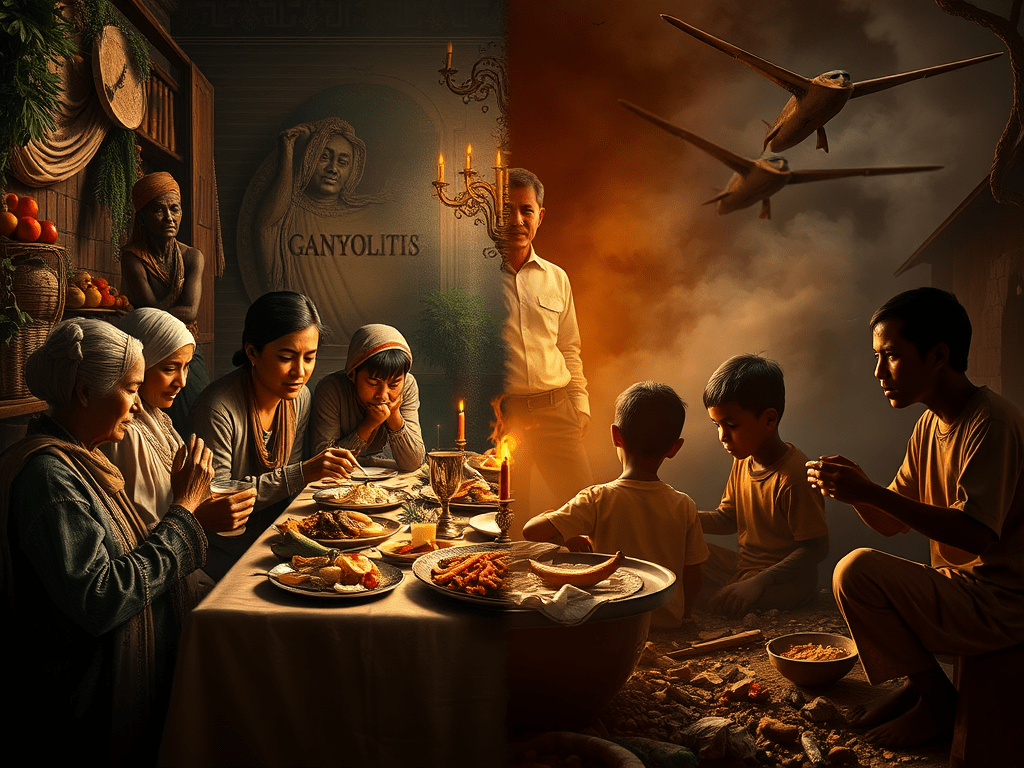
    Many argue that the Earth has enough resources to sustain its inhabitants. According to the Food and Agriculture Organization (FAO), the world produces enough food to feed 10 billion people. Yet, more than 735 million people suffer from chronic hunger. The issue isn’t production; it’s distribution. Wealth and resources remain concentrated in the hands of a few, while billions struggle to secure basic needs.

    The paradox is unsettling: some nations deal with obesity-related health crises, while others face starvation. Some individuals amass wealth beyond comprehension, while millions cannot afford shelter. If resources exist, why do we fail to ensure fair access? Is this inequality a natural order, or is it a symptom of human greed and systemic failure?

    The Responsibility of Marriage and Parenthood

    I once read that only men who are both financially and emotionally stable should marry. In Islam, this principle is clear: a man who cannot provide for a family is advised to fast and lower his gaze until he becomes capable. Yet, we often see the opposite; people entering marriage without preparation, bringing children into uncertainty, and expecting society to carry the burden.

    When I decided to start a family, I was a teacher. My husband and I were aware of the financial challenges ahead, but we had the foresight and discipline to ensure that our children would never endure hunger or parental neglect. Parenthood is not just about the desire to have children; it’s about the ability to nurture and support them in every possible way.

    Divorce: A Consequence of Unprepared Marriages

    One of the devastating consequences of rushed, unprepared marriages is divorce. Globally, divorce rates have been rising, and the effects on children are profound. In the United States, nearly 40–50% of marriages end in divorce. In some countries, the rates are even higher, particularly in urbanized societies where economic and social pressures create additional strain on families.

    Divorce can have severe emotional, psychological, and financial consequences for children:

    • Emotional and Psychological Distress: Studies show that children of divorced parents are more likely to experience anxiety, depression, and lower self-esteem. A 2019 study published in the Journal of Family Psychology found that children from divorced families are twice as likely to suffer from mental health issues compared to those from intact families.
    • Financial Hardship: Divorce often leads to financial instability, particularly for single-parent households. Research indicates that nearly 50% of single mothers in the U.S. live in poverty or face economic hardships after divorce, making it difficult to provide for their children’s education and well-being.
    • Academic and Social Struggles: Children of divorced parents are more likely to perform poorly in school and exhibit behavioral problems. A study by the National Bureau of Economic Research found that divorce negatively impacts children’s educational attainment, often reducing their likelihood of pursuing higher education.
    • Increased Risk of Future Divorce: Statistics suggest that children of divorced parents are more likely to divorce when they grow up. They often struggle with commitment and relationship stability due to witnessing their parents’ failed marriage.

    While some divorces are necessary, especially in cases of abuse or toxicity, many could have been prevented with better preparation, financial stability, and emotional maturity before marriage.

    A Logical Perspective on Humanity’s Future

    I am a realist. I examine life’s struggles and successes with logic rather than blind emotion. If we, as a global society, wish to progress toward a just and sustainable world, we must confront these difficult questions. Are we suffering because there are too many of us, or because we have failed to manage our resources and responsibilities wisely?

    A wise society should prioritize creating conditions where every human being can reach their full potential. This means ensuring access to education, healthcare, and economic opportunities before individuals embark on the lifelong commitment of marriage and parenthood. The children we bring into this world should not bear the consequences of our ignorance, selfishness, or lack of foresight.

    Final Reflections

    After almost thirty years of marriage, I feel compelled to share these insights; not as judgments, but as reflections from experience. If we seek to build a fair and sustainable world, we must start by questioning the choices we make at the most fundamental levels of life. It is not just about bringing more people into existence; it is about ensuring that every human life is valued, nurtured, and given a fair chance to thrive.

    If you enjoyed this post, please consider subscribing and leaving a comment. Your feedback is greatly appreciated. Thank you for your support!